Finally speak Spanish confidently
Online live Spanish classes via Zoom with expert teachers. A grammar-based method designed for adult learners who want real results.







How our Spanish classes work
Step 1: Learn the grammar first
Every lesson starts with clear grammar explanations. You learn the rules before you practice them.
Step 2: Practice through translation
You translate sentences from English to Spanish and Spanish to English. This helps your brain understand the patterns.
Step 3: Speak Spanish in class
You practice speaking with your teacher and classmates. Real conversations using what you just learned.
Step 4: Build skills gradually
Each lesson builds on the last one. No confusing jumps or missing pieces.
Our grammar courses
Beginners level: Spanish for absolute beginners
Learn to introduce yourself, talk about your family, your home and what you like, and handle everyday situations like telling the time or ordering at a restaurant.
You'll learn the present tense of ser, estar, tener, ir and hacer, regular -ar, -er and -ir verbs, reflexive verbs and gustar, along with articles, adjectives, possessives, questions, and numbers up to 100.
Level 2: the past tense and other topics
Learn to talk about what you did using the preterite, and to describe people's looks, personality and how they feel.
You'll learn the preterite of regular verbs and of key irregulars like ser, ir, tener and hacer, plus the present progressive, comparatives and superlatives, demonstratives, poder and querer followed by another verb, conocer vs. saber, the weather, and numbers up to a million.
Level 3: the imperfect tense
Learn to describe how things used to be with the imperfect, and to choose between it and the preterite when you tell a story.
You'll also learn stem-changing verbs, the future with ir a, reflexive verbs in every tense you know, por vs. para, third-person direct object pronouns (lo, la, los, las), traer vs. llevar, and vocabulary for restaurants and travel.
Level 4: object pronouns, future tense and verb haber
Learn to replace nouns with object pronouns, alone and together (se lo di, I gave it to him), and to say what will happen and what has happened with the future and compound tenses.
You'll learn direct and indirect object pronouns and where they go with infinitives and gerunds, the future tense, the present perfect, past perfect and future perfect, decir and dar, preguntar vs. pedir, and the main prepositions and adverbs.
Level 5: subjunctive, conditional and imperative
Learn the subjunctive and its main uses, plus the conditional, "if" sentences and commands.
You'll learn the present, imperfect and compound subjunctive, relative and possessive pronouns, the passive voice, verbs like gustar (doler, recordar), and the accent rules. This level completes the grammar series.
Our conversation classes
Basic Conversation
Get comfortable using the present, past and future tenses you already know in everyday conversation, in a course taught entirely in Spanish.
It's designed for students who know these tenses well, including both past tenses (the preterite and the imperfect), and want to build fluency and confidence through structured conversation practice.
Advanced Conversation
Speak about complex topics with more vocabulary and range, through presentations, discussions and debate in a course taught entirely in Spanish.
It's designed for advanced students who are confident with their grammar and want to use it with ease in any conversation.
Why this method works better for adults
Most Spanish learning apps try to teach you like a child. They use pictures and hope you guess the patterns. But adult brains learn differently than children's brains.
The problem with Spanish apps and immersion:
- Your adult brain needs structure first
- Guessing patterns wastes time
- You get frustrated and quit
Why grammar-first works better:
- Adults learn rules faster than patterns
- You understand why Spanish works the way it does
- You can build sentences correctly from day one
- You speak with confidence, not confusion
Research shows that adults who learn grammar rules first speak better Spanish faster than those who try immersion methods.
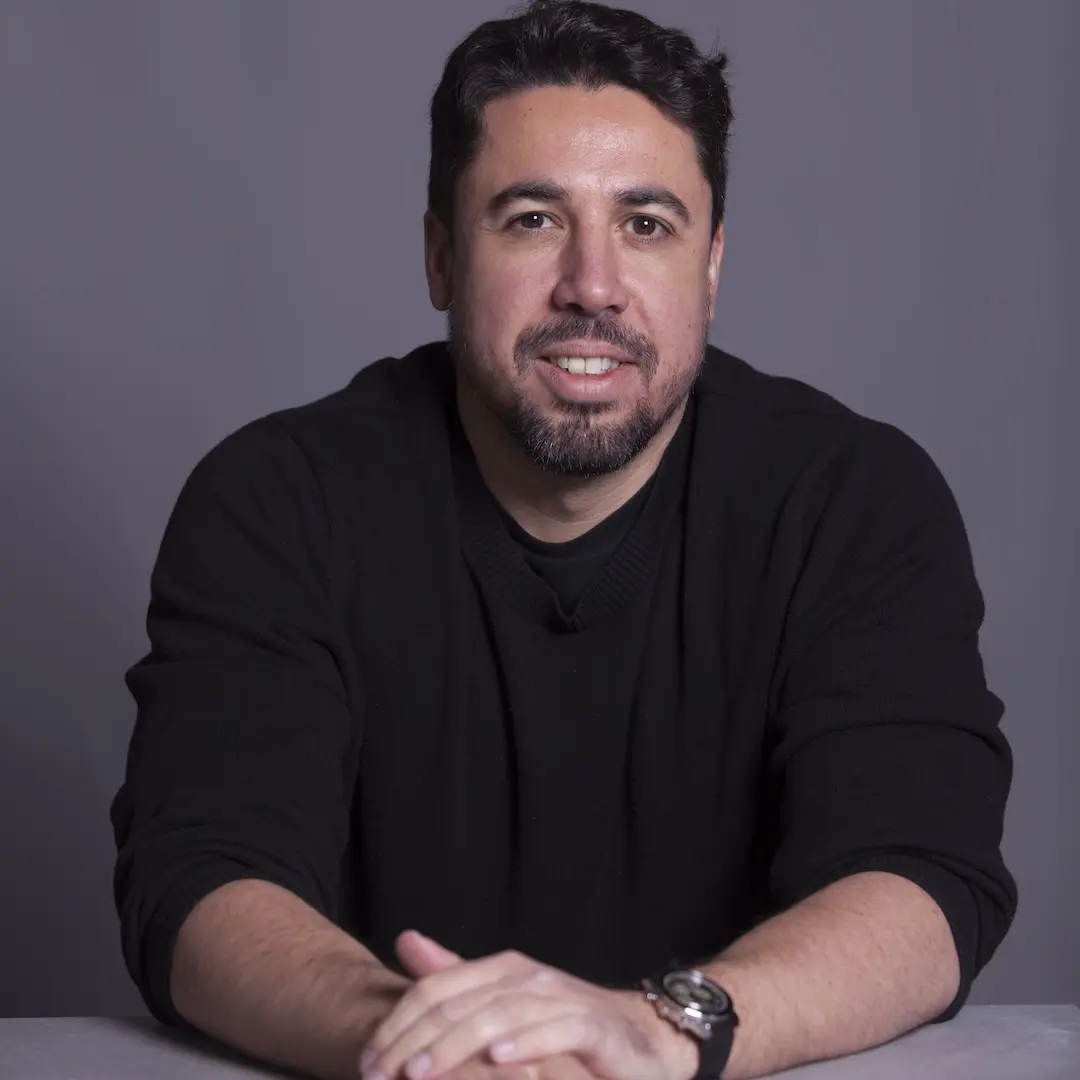
Why choose our online Spanish school
Native Spanish teachers
All our teachers are native Spanish speakers with teaching experience.
Small class sizes
Small groups, so every student gets personal attention and time to speak.
Flexible schedule
Multiple class times available. Make up missed classes easily.
Proven method
The Graf Method has helped thousands of adults learn Spanish.
Live online classes
Real-time interaction via Zoom. Not pre-recorded videos.

Frequently asked questions
How long does it take to learn Spanish with Berges?
Most students become conversational after completing five levels (about 12-15 months of regular classes).
I've never studied Spanish before. Is this right for me?
Yes! We designed our Beginners level specifically for people with zero Spanish experience.
Will I be embarrassed in class as a beginner?
No. All Beginners students start at zero. Our instructors create a supportive environment where making mistakes is part of learning.
How is this different from Spanish apps?
We teach grammar rules first, then practice. Apps make you guess patterns. Our method is faster for adults.
Do you teach Castilian or Latin American Spanish?
Spanish is one language with regional differences (mostly accent and a handful of everyday words). We teach standard Spanish, so what you learn works wherever Spanish is spoken.
Are classes recorded?
No. Classes are live only, which protects everyone's privacy and keeps students comfortable speaking up.
Do I need to keep my camera on?
Yes. Classes are live and interactive. Your instructor and classmates need to see you, just as you see them.
How old do I need to be to enroll?
Our classes are for adults. If you're 16 or 17, you can enroll as long as a parent or legal guardian accepts our terms on your behalf.

Starting Spanish from zero? You're in the right place
Never studied Spanish before? That's actually perfect. Most of our students start with zero Spanish knowledge. Here's why complete beginners love our method:
- No confusing Spanish immersion on day one
- Every grammar rule explained in English first
- Start with simple sentences you can actually use
- Build confidence before complexity
- Native teachers who understand English speakers
Common beginner worries we solve:
- "Spanish grammar seems impossible" → We break it into simple steps
- "I'm too old to learn languages" → Our method works better for adults
- "I don't know where to start" → We start at the absolute beginning
- "I'm afraid to speak" → Small classes and patient teachers
The Graf Method
Most modern second language (L2) learning methods are inductive: students perform tasks using the target language and eventually pick up patterns. The grammar-translation method, which was used in Europe from the 1840s to the 1940s for foreign and classical language training (Richards & Rodgers, 2001, p. 6), is deductive: students learn rules and then practice them by translating from and to the target language. It often lacks speaking practice.
The Graf Method (Graf derives from the term "gramática functional") is a modified grammar-translation L2 teaching approach in which speaking practice is emphasized.
While inductive methods mimic the natural language acquisition process children go through when learning their first language (L1), research shows deductive L2 instruction works better in adults (Gör et al., 2009). The Graf Method solves the limitations of the traditional grammar-translation method by complementing translation tasks with conversational practice.
References:
Richards, J. C., & Rodgers, T. S. (2001). Approaches and methods in language teaching. Cambridge University Press.
Gör, Ö., Kolat, T., İstanbul, A., Üniversitesi, A., Meslek, Y., Okulu, B., & İnönü. (2009). Deductive vs. inductive approach on English grammar teaching for elementary students